OC NPC Playground Lore and Backstory Guide
Give your OC narrative fuel without overloading the system.
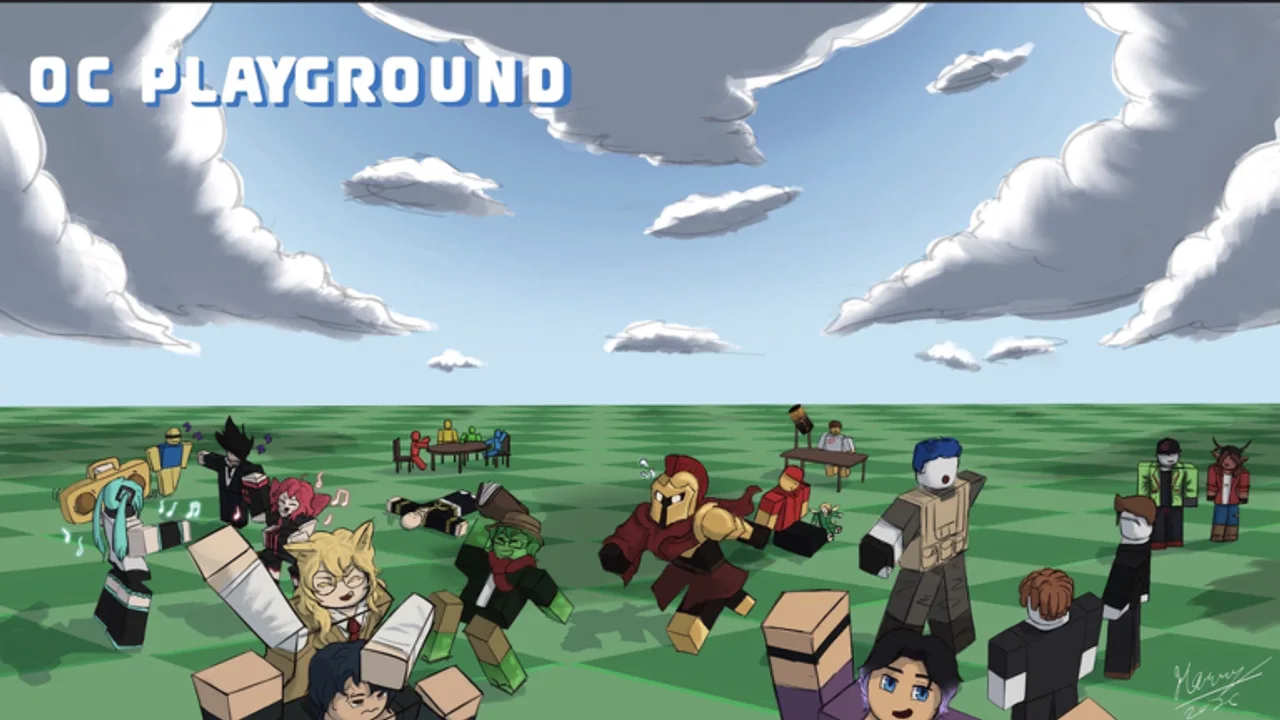
Lore separates a forgettable Roblox avatar from an OC NPC Playground character other players remember. The official description invites you to give NPCs any appearance, lore, or backstory you like — this guide shows how to write text that improves interactions while staying within performance-friendly length.
What lore does in this game
Unlike tabletop roleplay where a human GM reads paragraphs, OC NPC Playground feeds your text into systems that must run for many players at once. That means lore should be specific, scannable, and actionable. Think bullet-ready facts, not fanfiction chapters.
Good lore answers:
- Who is my OC in one sentence?
- What do they want right now in this server?
- How do they treat strangers?
- What topic makes them emotional?
The four-field method
Use the Lore Prompt Helper with these four blocks:
- Origin — one line about where they come from (city, era, faction).
- Motivation — what they chase in the current scene.
- Voice — three adjectives describing speech patterns.
- Boundaries — what they refuse to do (violence, pranks, etc.).
Example (original character):
Origin: Night-market guide from a floating district. Motivation: Wants to trade rumors for safe passage. Voice: Warm, fast, slightly sarcastic. Boundaries: Won’t steal; will walk away from bullies.
Match lore to archetypes
Consult the OC Archetypes Tier List when choosing tone. Mentors need teaching hooks; tricksters need harmless goals so you do not grief public servers. The Interaction Setup Tier List shows which lore density works in public vs private lobbies.
Length and formatting tips
- Keep sentences short — mobile players may edit on phones.
- Prefer concrete nouns over vague adjectives (“silver compass” beats “mysterious vibe”).
- Avoid copyrighted proper nouns from major franchises.
- Update lore when you revise outfits in How to Create an OC NPC.
Lore mistakes that weaken NPC scenes
| Problem | Symptom | Fix |
|---|---|---|
| Empty fields | NPC blends in | Add motivation + voice adjectives |
| Novel-length backstory | Hard to parse | Cut to four bullets |
| Contradictory traits | Confusing scenes | Pick one core flaw |
| Edgy shock content | Moderation risk | Follow Roblox community standards |
How to play after writing lore
Spawn using How to Spawn and Interact and observe which hooks seemed to matter. Iterate in private servers (Private Servers Guide) before debuting a revised OC publicly.
Advanced: serialized OCs
Some groups run multi-session storylines. Track continuity in the Session Planner and note changes in Launch and Early Patches if game updates reset fields.
Additional lore workshop ideas
Host a private-server “lore clinic” where friends read each other’s four bullet fields before anyone spawns. Vote on which hook feels most readable in under ten seconds — if testers hesitate, shorten further. Keep a personal OC journal outside Roblox noting which scenes worked; reuse winning hooks across new outfits. When Roblox updates text limits, revisit this guide and the Launch and Early Patches notes together.
Strong lore is reusable — export winning bullet sets to reuse on alt OCs instead of rewriting from scratch every spawn.
Seasonal lore refreshes
Even stable OCs benefit from small seasonal tweaks — a winter coat note, a festival goal, or a temporary rivalry. Keep changes to one bullet so you do not confuse NPC parsers. After editing, respawn in a private server first and compare scenes against your previous baseline in the Session Planner debrief log.
Frequently Asked Questions
Quick answers to the most common questions.
How much lore should I write for an OC NPC?
Aim for four concise bullet points covering origin, motivation, voice, and boundaries. That is usually enough for strong interactions.
Can lore include other players' characters?
Avoid naming real players without consent. Write open hooks strangers can pick up instead.
Does lore affect appearance?
Appearance and lore are separate fields, but they should match thematically for readable NPC scenes.